
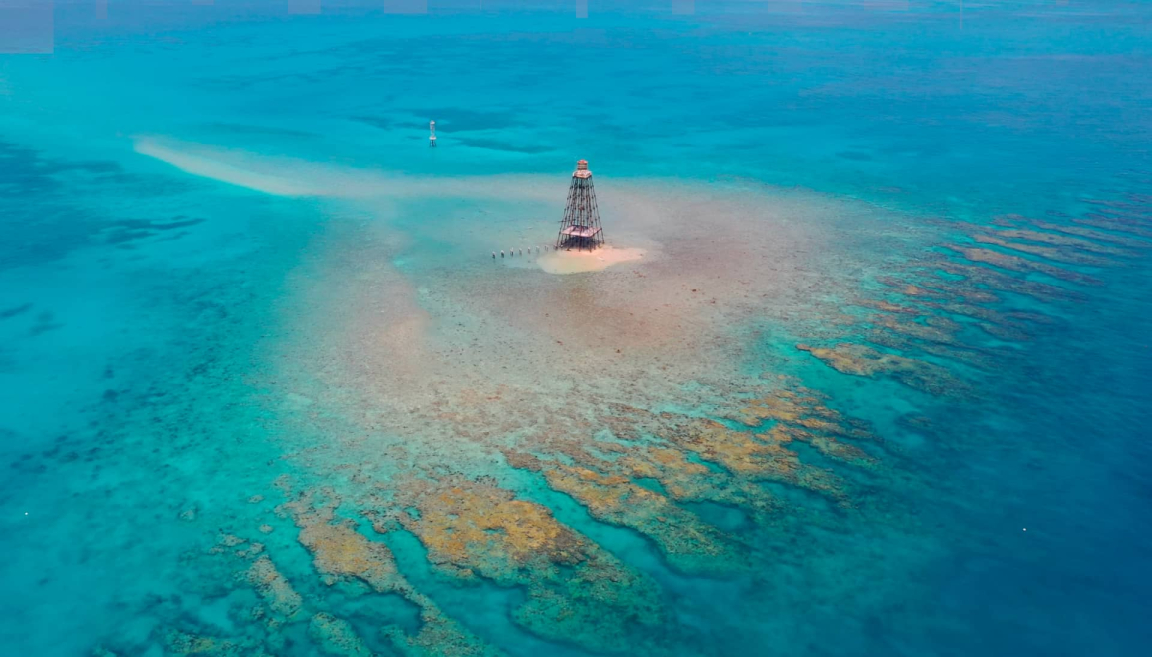
Things to Do on the Way to Key West: The Best Stops Along the Overseas Highway

Most first-time visitors fly straight into Key West and skip the road trip down. That’s a missed opportunity. The Overseas Highway is one of the most scenic drives in the country — 113 miles of bridges, mangrove islands, and roadside oddities that connect Florida’s mainland to our little corner of the world. Cruise it without stopping and you’ll be in Key West in about four hours. Stop the way it deserves and you’ve got a full day of small adventures, wildlife refuges, and roadside snacks before you ever cross the Cow Key Channel.
We’ve made the drive countless times — we run an eco tour in Key West, and many of our guests drive US-1 to get here. Here’s our island-by-island guide to the best stops on the way, top to bottom.
Planning Your Drive Down the Florida Keys
From Miami International Airport to Key West is roughly 165 miles, and US-1 is the only road that gets you here. Drive it straight through and you’re looking at three and a half to four hours, traffic permitting. With stops, plan on a full day — and that’s a good thing.
You’ll quickly notice green-and-white mile markers (MM) along the highway. They count down from MM 126 in Florida City to MM 0 at the southern end of Key West. Locals give directions by mile marker, and most attractions are listed that way too, so it pays to keep an eye on them.
A few practical notes before you set off. Leave early — Saturday traffic out of Miami stacks up, and the only way around an accident on US-1 is patience. Fill the tank in Florida City; gas tends to be pricier once you cross into the Keys. Keep small bills handy for tarpon-feeding docks and park entry fees. And swing by Robert Is Here Fruit Stand in Homestead before you cross — the key lime milkshake is the unofficial gateway to the Keys. Driving down in summer? It’s worth knowing what Key West is like in July — the heat, the afternoon storms, and the Fourth of July events waiting at the end of the road.
Key Largo: Where the Keys Begin
Key Largo is the first island you reach and one of the easiest places to break up the drive. You’ll know you’re here when the bridges start and the water turns turquoise.
John Pennekamp Coral Reef State Park
John Pennekamp was the first undersea park in the United States, protecting 70 nautical square miles of reef and over 600 species of fish. If you’ve got two hours or more, book a glass-bottom boat trip or a guided snorkel. Visibility is best on calm summer mornings; if it’s choppy, save snorkeling for clearer water further south. The visitor center’s saltwater aquarium is worth a quick walk-through, the swim beaches are clean, and the park rents kayaks for the mangrove trails. If kayaking is your thing, our guide to the best places to kayak in the Florida Keys covers more options once you head south.
Dagny Johnson Key Largo Hammock Botanical State Park
Dagny Johnson protects one of the largest stretches of West Indian tropical hardwood hammock left in the country. There’s no admission booth, just a small parking lot, a paved walking path, and a forest full of butterflies, lizards, and birds. Birders especially love this one — it’s a reliable stop for warblers and migrating songbirds, and you’ll often see white-crowned pigeons here that you won’t see north of Florida. If you’re planning to spot more wildlife on the trip, our overview of the birds of Key West is a good companion read.
Where to Eat in Key Largo
Mrs. Mac’s Kitchen on US-1 is the quintessential Keys lunch — chowder, fish sandwiches, and a dining room covered in license plates. The Fish House is the move if you want fresh local fish (try the hogfish if it’s on the board), and Key Largo Conch House is a solid option for breakfast in a historic Conch-style cottage. Whichever you choose, eat outside if the weather’s good. You’re in the Keys now.
Islamorada: Tarpon, Art, and Roadside Charm
About thirty miles south of Key Largo, Islamorada is the “sport-fishing capital of the world” and one of the more browse-able stretches of the drive. A few stops worth pulling over for:
Robbie’s of Islamorada
Robbie’s roadside marina’s main draw is the tarpon — dozens of giant silver fish (50+ pounds each) hanging under the dock waiting to be hand-fed. For a few dollars you can buy a bait bucket and feed them yourself. There’s also a small open-air market with local vendors, a bar with a view, and seaplane tours from the same dock. It’s a touristy stop, but the good kind.
Rain Barrel Artisan Village
You’ll know you’re here because of Betsy, a 30-foot-tall, 40-foot-long painted Florida Keys spiny lobster out front (yes, it’s a great photo). Behind her is Rain Barrel Village itself — a tucked-away artisan complex of galleries, jewelry, ceramics, glass, photography, and other works made by Keys-based artists. It’s free to wander, and a refreshing alternative to the chain shops you’ve been driving past.
Theater of the Sea
Theater of the Sea is one of the older marine parks in Florida, with dolphins, sea lions, and other marine life on display. We’ll be honest: as a biologist-founded company, we generally prefer wildlife encounters that happen in the wild, on the animal’s terms. If you’d rather see dolphins in their natural habitat once you reach Key West, our piece on swimming with wild dolphins in Key West walks through what to expect. That said, plenty of families enjoy Theater of the Sea, and we’re not here to tell you how to spend your day.
Marathon and the Middle Keys
Marathon sits roughly halfway between Key Largo and Key West, and it’s a natural place to stretch your legs and grab a bite. A few stops worth your time:
The Turtle Hospital
The Turtle Hospital has been rehabilitating sick and injured sea turtles since 1986. Guided tours let you walk through the treatment facility, see turtles recovering from boat strikes and entanglement (mostly loggerheads and greens), and learn how the veterinary team works to release them back to the ocean. Reservations are recommended. If you care about the ecosystem you’re driving through, this stop will stick with you.
Sombrero Beach
Sombrero is one of the few free public beaches in the Keys, and it’s a gem — soft sand, a long shoreline, picnic tables, restrooms, and shade. If kids have been in the back seat for two hours, this is where you let them run for a while. Bring water shoes; there can be coral rubble at the tide line.
Pigeon Key and the Old Seven Mile Bridge
The Seven Mile Bridge is the iconic stretch of US-1. Park at the Marathon end and walk a section of the original 1912 railroad bridge that still parallels the modern one. About two miles out sits Pigeon Key, a small historic island that once housed bridge workers and is now a museum. You can walk, take a tram, or book a ferry. Even a short walk gives you the best photo of the day.
Big Pine and the Lower Keys
By the time you cross the Seven Mile Bridge, the islands feel a little wilder — more pine, less development, fewer tourist signs. Slow down here.
National Key Deer Refuge
Big Pine Key is home to the Key deer, a sub-species of the white-tailed deer that lives nowhere else on Earth. Adults stand about two and a half feet tall at the shoulder. The National Key Deer Refuge protects roughly 9,200 acres of pine rocklands and hardwood hammock, and you’ll often spot deer along the side of the road, especially near sunset. Drive carefully — the speed limit drops, and the deer are fearless. Stop at the visitor center for trail maps, and remember that feeding them is illegal and harmful. If wildlife refuges are your thing, the Key West National Wildlife Refuge down the road is the next chapter in the same story.
Bahia Honda State Park
If you only stop at one place between Marathon and Key West, make it Bahia Honda. Calusa Beach and Sandspur Beach are routinely ranked among the best beaches in Florida, and the snorkeling straight off the sand is some of the most accessible in the Keys. Bottlenose dolphins are sometimes spotted in Bahia Honda Channel — keep an eye on the water from the old bridge overlook. Park entry is small. Bring sunscreen (reef-safe, please), a snorkel, and a couple of hours. For more on this kind of beach-entry snorkeling, our guide to snorkeling Key West from shore covers what to look for in conditions and gear.
Blue Hole
The Blue Hole is the only freshwater lake in the Keys — a flooded former quarry on Big Pine Key — and it’s surprising what lives there. You’ll often see freshwater turtles, fish, herons, and (yes) the occasional alligator. There’s a short observation deck and a quick nature trail. Ten or fifteen minutes here is plenty, and it’s a fascinating contrast to the saltwater you’ve been seeing all day.
How to Make the Most of Your Arrival in Key West
Crossing the Cow Key Channel into Key West, you’ve spent the day in the Keys’ wildlife corridor — coral reefs, mangrove forests, sea turtles, key deer, hardwood hammocks. The natural next move is to keep that going.
Get on the Water
The best cure for a long drive is being out on the water. Our Key West dolphin watch tour aboard our hybrid-electric catamaran SQUID is the original Key West dolphin watch, with roots going back to 1986. We keep groups small (16 adults max), our captains are biologists and naturalists who get in the water with you, and we’ve documented 217 local bottlenose dolphins since the tour began. We can’t promise dolphins on any given trip — they’re wild animals — but we can promise the kind of slow, attentive afternoon the Keys reward.
Catch Your First Key West Sunset
You don’t have to be at Mallory Square at 6:55 sharp. Some of the better sunset spots are quieter, less crowded, and arguably more beautiful. Our list of the best places to watch sunset in Key West covers a handful of options — including a few from the water that beat anything on land.
Traveling with Kids? Plan for Their Pace
If you’ve been driving with kids in the back seat all day, the worst thing you can do on arrival night is over-schedule. Let them swim, eat early, and crash early. Save the bigger adventures for the next day. Our guide to Key West things to do with kids has age-by-age suggestions, family-friendly tour notes, and a handful of secrets we share with parents who’ve just made the drive.
The Overseas Highway is one of the great American road trips, and the stops along the way set the tone for the trip you’ll have once you arrive. Take your time, eat the key lime pie, watch for the deer. We’ll see you at the dock.
Recent Posts
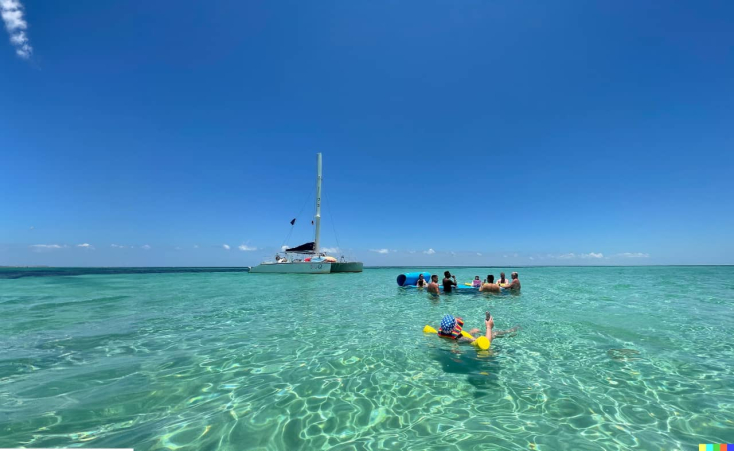
Sargassum in Key West: What Actually Happens Each Summer, and What It Means for Your Trip
Sargassum in Key West, explained by a biologist captain: when seaweed season runs, which beaches get it, what lives in it, and how we find clear water.
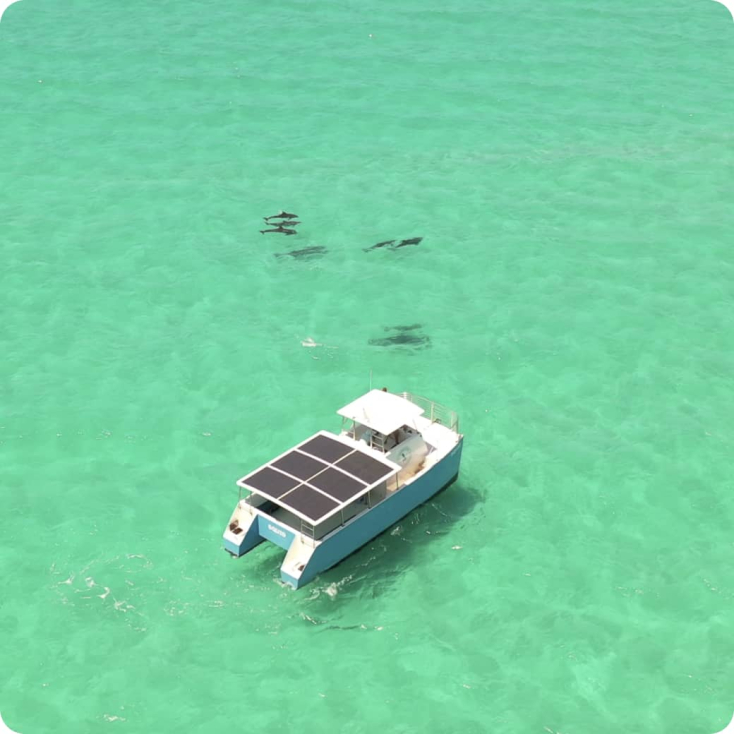
The Dolphin Playground: Key West’s Wild Dolphin Gathering Spot
The Dolphin Playground is where Key West’s wild dolphins rest, hunt, and play. A biologist explains why they gather there — and how to visit responsibly.
Key West in July: Weather, Events, and the Best Things to Do
Visiting Key West in July? An honest local guide to the weather, the 4th of July, festivals, and the best things to do on and off the water.
Snorkeling in Key West From Shore: A Local Guide to the Best Snorkeling Beach Spots
A local guide to the best beach snorkeling in Key West and the Florida Keys — where to go, when to go, and what you’ll actually see underwater.
Best Time and Places to See Dolphins in Key West
Wondering where to see dolphins in Key West and the best time to spot them? Local, family-friendly tips on seasons, timing, and best places.
Florida Dolphin Species: Types of Dolphins You’ll See in Key West, Florida
The most common types of dolphins in Florida, which species you may see in Key West and the Florida Keys, where they live, and the truth about pink dolphins.
View Our Honest Eco Tours
Dolphin Watch + Guided Snorkel & Sandbar
The Original Dolphin Watch and Snorkel, since 1986! Offered year-round.
Dolphin Watch + Guided Snorkel & Sandbar
The original Key West Dolphin Watch and Snorkel, since 1986! Offered year-round.
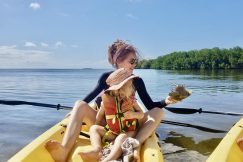
Kayak tour + Guided Snorkel & Morning Sail
Kayak tour of the mangroves, plus a Guided Snorkel
Kayak tour + Guided Snorkel & Morning Sail
Kayak tour of the mangroves, plus a Guided Snorkel
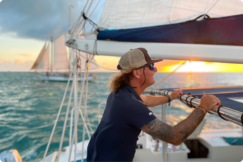
Dolphin Watch + Sunset Catamaran Sail
Our most mellow tour. Search for dolphins under a setting sun. This tour does not feature snorkeling. Offered Nov - Apr.

Sandbar Charter + Private Snorkeling
Perfect for small friend groups and families. Book a Private charter aboard our 6 passenger maximum boat Cowfish.

Private Charters: Choose your own Adventure!
Prices vary by tour, boat and group size. Book online or customize.

All The Above
Private group Tour: Kayak tour of the mangroves, guided snorkel, sail, enjoy an organic lunch and search for dolphins

Sunset Catamaran Sail + Reef Snorkel & Sandbar
This Reef Snorkel and Sandbar visit takes advantage of the warm calm weather.