
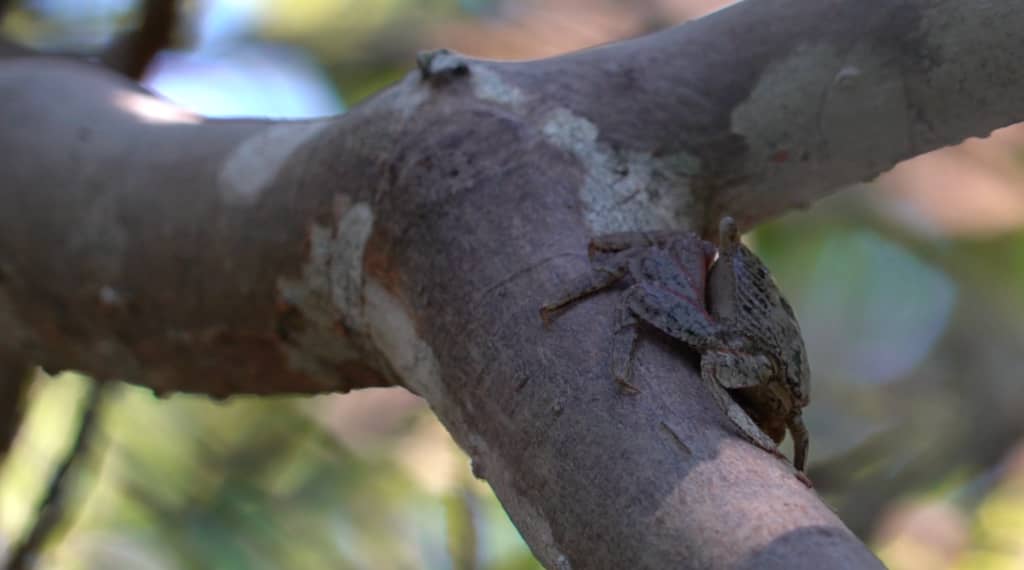
The Unsung Heroes of the Mangroves: Mangrove Tree Crabs and Their Ecological Importance

When we think of mangroves, we often picture dense roots and the larger biodiversity they support like snappers, sharks, herons and pelicans. Yet, one small, often overlooked creature plays a colossal role in maintaining the health of these vital ecosystems—the mangrove tree crab. At Honest Eco Tours, we are passionate about these tiny animals and have even created a mini-documentary to showcase their incredible lives. Let’s dive into the surprising world of the mangrove tree crab and discover how they are an ecological keysotone.
Meet the Mangrove Tree Crab
The mangrove tree crab, scientifically known as Aratus pisonii, thrives in the mangrove swamps along the shores of the western Atlantic from Florida to Brazil, and the Pacific coasts from Nicaragua to Peru. These small, tree-climbing crabs, typically greenish mottled with black and yellow, can be found scampering among the mangrove branches and roots. Despite their small size, rarely exceeding 26 mm in carapace width, their ecological impact is immense.
Mangrove Tree Crab’s Lifecycle and Breeding
Mangrove tree crabs have a unique breeding cycle that is closely tied to the lunar calendar. Breeding occurs throughout the year, with eggs hatching during the full and new moons. A female crab can produce up to 27,500 eggs by the time she is 18 months old, laying eggs approximately once every intermoult period. However, life is perilous for these crabs, with the highest mortality occurring during the larval stages due to predation.
Mangrove Tree Crab’s Ecological Role
Mangrove tree crabs are vital to the nutrient cycling within mangrove ecosystems. They primarily feed on mangrove leaves, which they shred and consume. This feeding behavior aids in breaking down the tough leaf material, facilitating its decomposition and recycling nutrients back into the ecosystem. Additionally, the crabs’ excrement enriches the soil, promoting the growth of mangrove trees and other vegetation.
From Sunlight to Seafood: The Energy Flow
One of the most remarkable aspects of the mangrove tree crab’s existence is how they transform energy from the sun into sustenance for the marine food web. By consuming mangrove leaves, they essentially convert sunlight into energy-rich organic material. When these crabs lay their eggs, most of the larvae are consumed by fish and other marine animals, providing a critical food source. This cycle highlights the crabs’ role in linking terrestrial and marine ecosystems.
The Energy Transformation Process
- Photosynthesis in Mangrove Trees:
- Mangrove trees, through photosynthesis, capture sunlight and convert it into chemical energy stored in their leaves. These trees are highly productive, contributing significantly to the primary production in coastal areas.
- Consumption by Mangrove Tree Crabs:
- Mangrove tree crabs feed on the leaves of mangrove trees, digesting this plant material and incorporating the energy into their own biomass. By breaking down the leaves, these crabs help decompose organic material, which also releases nutrients back into the ecosystem.
- Reproduction and Larvae Contribution:
- Mangrove tree crabs lay thousands of eggs, which hatch into larvae. These larvae are planktonic and become part of the marine food web. They serve as a vital food source for various fish species and other marine organisms, transferring the energy originally captured by the mangrove leaves into the marine environment.
- Role in the Food Web:
- The larvae of mangrove tree crabs are preyed upon by small fish, which are in turn eaten by larger fish, creating a cascading effect throughout the food web. This connection underscores the importance of mangrove tree crabs in maintaining the balance between terrestrial and marine ecosystems.
By the Numbers: The Impact of Mangrove Tree Crabs
- Mangrove Tree Crab Density:
- In some mangrove forests, the density of mangrove tree crabs can reach up to 80 individuals per square meter. This high density ensures a significant amount of leaf litter is processed and converted into crab biomass.
- Reproductive Output:
- A single female mangrove tree crab can lay between 10,000 to 50,000 eggs per clutch. Given their high reproductive rate, the sheer volume of larvae released into the water column represents a substantial energy transfer to marine predators.
- Larval Survival and Predation:
- Although a vast majority of crab larvae do not survive to adulthood, their presence as a food source is crucial. Estimates suggest that less than 1% of the larvae reach maturity, but during their early life stages, they provide a significant nutrient input for various marine species.
Ecological Significance
The interplay between mangrove tree crabs and their environment highlights the intricate connections within coastal ecosystems. By feeding on mangrove leaves, these crabs facilitate the breakdown of organic material, enhancing nutrient cycling. The larvae, serving as a food source for fish, bridge the gap between land and sea, demonstrating the essential role of mangrove tree crabs in sustaining the biodiversity and productivity of coastal ecosystems.
Conservation and Challenges
Mangrove ecosystems face numerous threats, including deforestation, pollution, and climate change. Protecting these habitats is crucial, not only for the survival of mangrove tree crabs but for the entire ecosystem they support. By participating in eco-friendly tours and supporting conservation efforts, we can help safeguard these vital environments and the myriad of species that depend on them.
Conclusion
The mangrove tree crab may be small, but its impact on the ecosystem is mighty. From nutrient cycling to serving as a vital food source, these crabs are indispensable to the health of mangrove forests. At Honest Eco Tours, we invite you to join us in celebrating and protecting these remarkable creatures. Watch our mini-documentary to learn more about the life and importance of mangrove tree crabs, and discover how you can contribute to preserving their habitats for future generations.
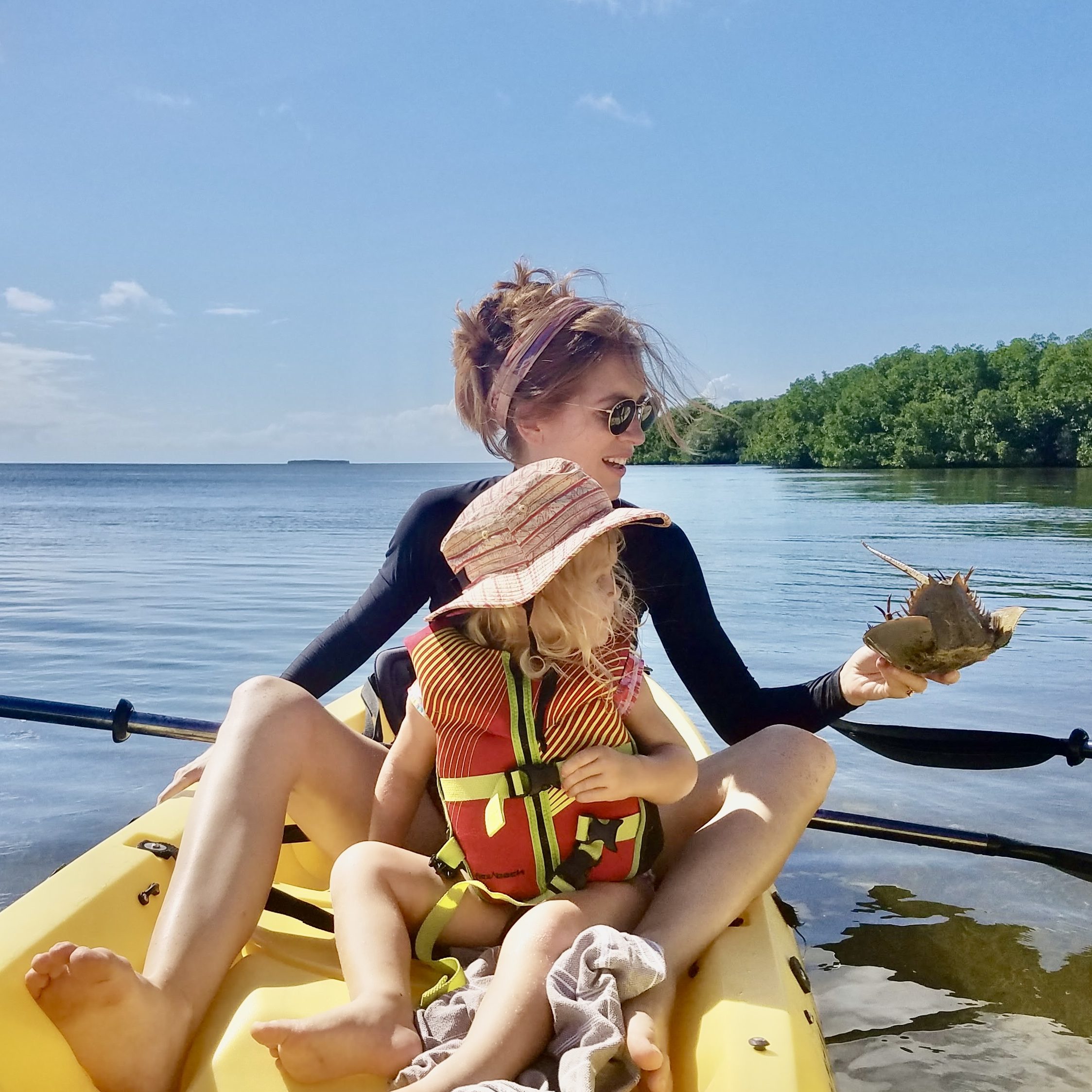
To witness these incredible ecosystems firsthand, join Honest Eco’s Key West mangrove kayak eco tours. We offer an intimate experience paddling through the mangroves, guided by knowledgeable biologists who provide insights into the unique flora and fauna. Visit Honest Eco Tours to learn more and book your adventure today!
We Think You'd Like This Eco Friendly Tour


Recent Posts
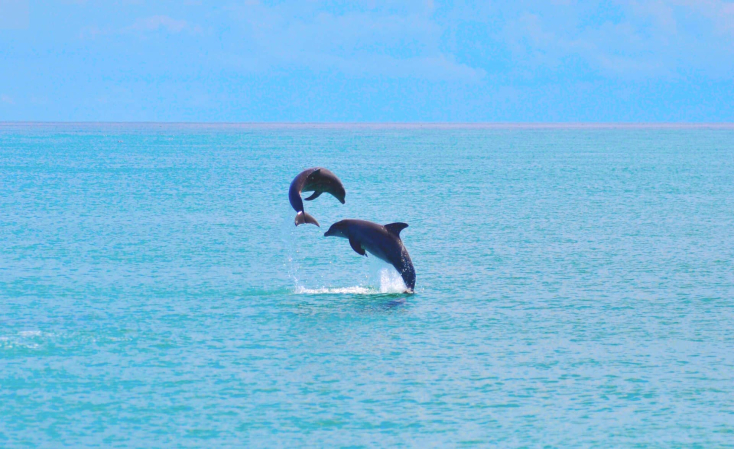
Best Time and Places to See Dolphins in Key West
Wondering where to see dolphins in Key West and the best time to spot them? Local, family-friendly tips on seasons, timing, and ethical dolphin watching.
Florida Dolphin Species: Types of Dolphins You’ll See in Key West, Florida
The most common types of dolphins in Florida, which species you may see in Key West and the Florida Keys, where they live, and the truth about pink dolphins.
Best Places to Snorkel in Key West and the Lower Florida Keys
The Ultimate Guide to Best Snorkeling in Key West and the Lower Florida Keys There’s a lot more to choosing the best snorkeling spot than…
Most Common Birds of Key West and the Florida Keys
Discover the Birds of Key West, the Florida Keys, and the Key West National Wildlife Refuge Key West, Florida is more than just a tropical…
Off the Beaten Path Key West
Explore the Hidden Gems of Key West and the Florida Keys A little bit of a random assortment, but unique and non touristy things to…
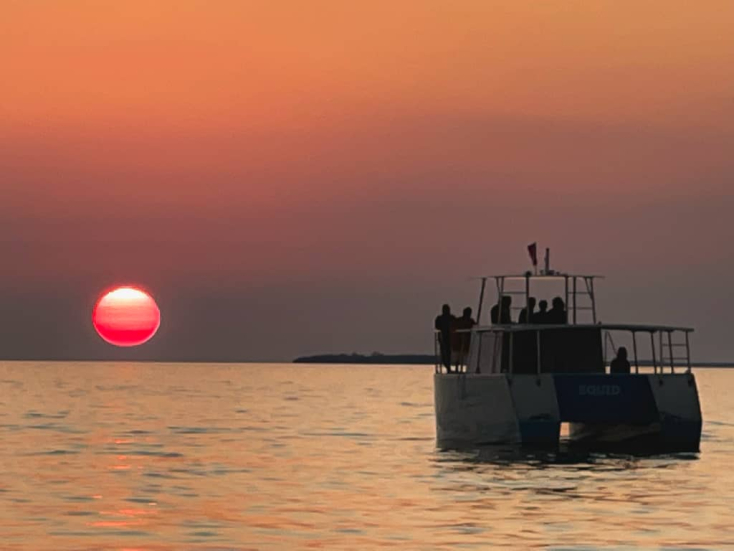
Most Beautiful Places to Watch the Sunset in Key West, Florida
Where to Watch Sunset in Key West There’s something truly magical about a Key West sunset. As the day winds down, the sky transforms into…
View Our Honest Eco Tours
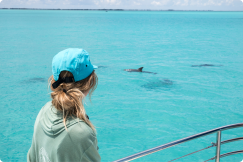
Dolphin Watch + Guided Snorkel
The original Key West Dolphin Watch and Snorkel, since 1986! Offered year-round.
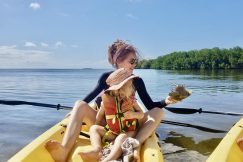
Kayak tour + Guided Snorkel & Morning Sail
Kayak tour of the mangroves, plus a Guided Snorkel
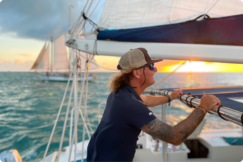
Dolphin Watch + Sunset Catamaran Sail
Our most mellow tour. Search for dolphins under a setting sun. This tour does not feature snorkeling. Offered Nov - Apr.

Sandbar Charter + Private Snorkeling
Perfect for small friend groups and families. Book a Private charter aboard our 6 passenger maximum boat Cowfish.

Private Charters: Choose your own Adventure!
Prices vary by tour, boat and group size. Book online or customize.

All The Above
Private group Tour: Kayak tour of the mangroves, guided snorkel, sail, enjoy an organic lunch and search for dolphins

Sunset Catamaran Sail + Reef Snorkel & Sandbar
This Reef Snorkel and Sandbar visit takes advantage of the warm calm weather.