
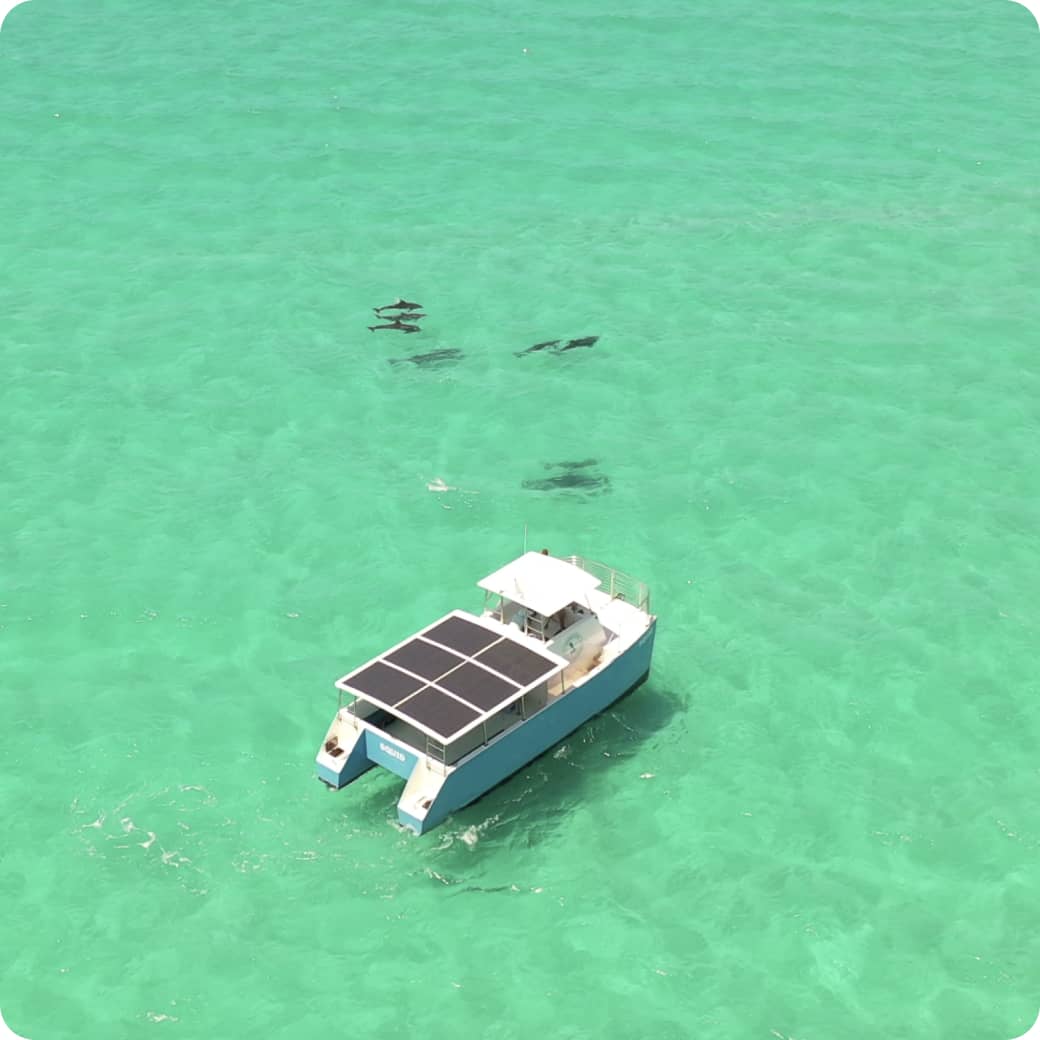
The Dolphin Playground: Key West’s Wild Dolphin Gathering Spot

Ask any longtime Key West captain where to find dolphins, and you’ll hear the same two words: the Dolphin Playground. You won’t find it on Google Maps. There’s no buoy, no sign, no entrance fee. It’s a local name — passed down through decades of charter captains — for a shallow sandbank in the backcountry where Key West’s resident bottlenose dolphins gather to rest, hunt, socialize, and raise their calves. If you’ve ever wondered whether the name is a marketing gimmick, it isn’t. The dolphins really do treat it like a playground. Here’s what it is, why it works the way it does, and how to see it without disturbing the animals that make it special.
What Is the Dolphin Playground?
The Dolphin Playground is a large sandbank at the top of the Northwest Channel, roughly seven or eight miles offshore from Key West by boat. It covers a few square miles of shallow, sandy bottom, and the ride out is part of the experience — you thread narrow channels through the backcountry, past mangrove islands and wading birds, into water that often runs remarkably clear. It isn’t a single pinpoint location so much as a habitat: a broad, calm, sunlit bank where wild bottlenose dolphins (Tursiops truncatus) spend a large part of their day.
The bank is also a leftover of deep time. Ancient swings in sea level exposed an old coral reef and fossilized it into limestone; tidal flows then carved the channels and left these shallow flats behind. The dolphins are lounging on the bones of a reef that died long before Key West existed.
The key word is wild. The dolphins here are never fed, never trained, and never fenced in. They stay because the habitat suits them, not because anyone gives them a reason to perform. That’s what separates the Playground from a marine park, and it’s why Key West dolphin tours have been running to this same patch of backcountry since 1986 — the dolphins keep choosing it, generation after generation.
Why Wild Dolphins Keep Coming Back to This Spot
Dolphins don’t gather anywhere by accident. The Playground stacks several advantages into one place, and each one maps to something a dolphin needs.
When the wind is right, the bank stays protected and calm — and calm water makes resting possible for an animal that has to think about every breath. It’s safe, too: the water is shallow enough that sharks can’t lurk below and strike from underneath while dolphins rest or play, which matters enormously to mothers with young calves.
Then there’s the food. The Playground sits right beside the Northwest Channel, the deep-water connection between the Gulf and the Atlantic, and its strong currents and tides carry fish through on every cycle. Think of it as a conveyor belt of food running past the dolphins’ front porch. They use the surrounding shoals — underwater hills — to pin fish against while feeding, and the channel spins off gentle eddy currents the dolphins seem to genuinely enjoy lounging in, because the water holds them in place instead of pulling them away.
The clear water over clean sand is the finishing touch. Dolphins hunt by echolocation, so they don’t need clear water — but they seem to like it, and the hard sandy bottom actually sharpens their sonar, bouncing clicks back cleanly where seagrass would muffle them. The bonus for us: clear, shallow water makes them wonderful to watch.
Put simply: it’s a nursery, a hunting ground, a bedroom, and a town square at once. “Playground” is the short version.
A Resident Community Studied Since 1986
The dolphins of the Playground aren’t passing through on migration. They’re Coastal Atlantic bottlenose dolphins — a resident nearshore population that lives in the Lower Keys year-round, currently estimated at around 200 individuals. Since 1986, observers on our trips have photo-identified 217 of them by the unique nicks and notches on their dorsal fins — a dolphin’s version of a fingerprint — and the catalog recognizes the same individuals year after year. Many of today’s regulars are the calves, and grand-calves, of dolphins first photographed decades ago. I’ve been running to the Playground since 2005, learning it from a mentor who first worked these waters in the 1990s. When your guide points out a dolphin by name, that’s not showmanship; it’s a field catalog going back nearly forty years.
What You’ll See Dolphins Doing at the Playground
Because the Playground covers so many of a dolphin’s daily needs, no two visits look alike. On hunting days you might see real technique: dolphins stirring up curtains of mud in fast circles to drive fish toward the surface, splashing their flukes to flush prey out of the grass, even whacking fish with their tails to stun them. Watch the smaller dolphins closely — the Playground is where youngsters practice these moves, and their attempts are noticeably clumsier than mom’s.
It’s also one of the community’s favorite napping spots, and dolphin sleep is stranger than ours. Dolphins rest one half of the brain at a time and literally sleep with one eye open, drifting in slow, synchronized formation — often paired up so the animals on the outside keep a watchful eye, with calves tucked in tight beside their mothers. A resting pod moving like slow commas across the flat is one of the quietest, most beautiful things you’ll see out there.
And then there are the social days, which are the loudest: leaping, tail slaps, chin slaps, courtship and mating, dolphins rolling over one another in what looks — and, as far as researchers can tell, often is — pure play. If you want to know how to read what you’re seeing, our guide to dolphin behavior breaks down the most common behaviors and what each one means.
Who You’ll Meet: Moms, Calves, and Bonded Males
Most often, the Playground belongs to the nursery groups — gatherings dominated by females and their babies, often several moms with similar-age calves together. That’s no coincidence: calves stay with their mothers for three to six years and take years to learn to hunt, so a calm, shark-safe bank with food delivered by current is the perfect place to raise them.
You’ll see full-grown males out here too, and they’re easy to spot once you know the pattern: adult males travel in tight pairs that can stay bonded for a decade or more. Males can run slightly larger than females, but size isn’t a reliable tell — behavior is. And don’t expect fixed “pods”: dolphins live in a fluid society where groups merge, split, and reshuffle through the day.
Visiting the Dolphin Playground Without Disturbing the Dolphins
The Playground works because the dolphins feel safe there — which puts a real responsibility on anyone who visits. Wild dolphins in U.S. waters are protected by the Marine Mammal Protection Act, which makes it illegal to feed them or to harass them — meaning anything that could change their natural behavior. Beyond the law, NOAA’s marine life viewing guidelines recommend keeping a respectful distance, limiting time with any one group, and never positioning a boat so that animals are cut off or boxed in.
In practice, the best way to see wild dolphins comes down to two words: slow and gentle. Rev your engines or drive at them fast and they’ll simply swim away — picture trying to get a good look at a squirrel or a bird by running at it. Instead, ease off, hang out in neutral, and drift. Give it time, and the dolphins will often wind up coming closer on their own accord. Going slow also helps you find them in the first place: dolphins surface to breathe only about one to four times a minute and can stay down eight to ten minutes, so patience — not speed — is what puts you there when a fin finally breaks the surface. Our captains even search in slow figure-eights rather than mowing a grid, because the whole game is giving yourself the chance to actually see that breath. The good news is that responsibly run boat trips in Key West build all of this in: you get the encounter, the dolphins keep their routine, and the Playground stays a playground.
Experiencing the Dolphin Playground From a Quiet Electric Boat
Noise matters more to dolphins than almost anything else a boat brings with it — they live in a world of sound. That’s why we designed SQUID, our custom-built hybrid electric catamaran, to run nearly silent on lithium-ion electric motors in the backcountry. When the engines go quiet, something changes: you can hear the dolphins breathe. That soft pfff of an exhalation across still water is the sound most guests remember longest.
Our Dolphin Watch and Snorkel trip heads into the backcountry with a maximum of 16 adults and a biologist or trained naturalist on every departure, and dolphins are spotted on more than 90% of trips. From November through April, there’s also a dolphin sunset cruise in Key West that pairs dolphin watching with sunset on the water — the calm late-afternoon light is some of the best dolphin-watching of the day.
Dolphin Playground Questions, Answered
Can You Swim With Dolphins at the Playground?
No — and that’s by design. These are wild animals, and NOAA guidelines advise against swimming with, touching, or feeding wild dolphins; doing so can alter their natural behaviors and can rise to the level of illegal harassment. The Playground itself is a sandbank, not a snorkel destination anyway — dolphin trips watch from the boat there, then snorkel separately at reefs and flats where you’re not entering the dolphins’ space. If you’re weighing your options, we’ve written an honest take on whether to swim with dolphins in Key West and why wild viewing beats the alternatives.
When Is the Best Time to See Dolphins There?
The dolphins live here every month of the year — but the Playground itself is a fair-weather destination. The bank exists in the first place because this area gets rough and wavey during north winds, and north winds are far more common in winter. So summer is when trips visit the Playground most reliably; in winter, captains still head out whenever conditions allow — which isn’t rare, just hard to predict — and find dolphins in calmer corners of the backcountry the rest of the time. Day to day, early morning and late afternoon tend to be best: calmer water, softer light, less glare. For a deeper dive into timing, see our guide to the best times and places to see dolphins in Key West.
How Far Is the Dolphin Playground From Key West?
Roughly seven to eight miles by boat, reached through narrow backcountry channels — far enough to feel like another world, close enough that a single afternoon trip can get there, spend unhurried time with the dolphins, fit in a guided snorkel on the way, and still have you back at the Historic Seaport in under four hours.
We have a phrase for the Playground: it’s a magical place when you give it enough time. That’s really the whole secret — to the spot, and to dolphin watching itself. Arrive slowly, stay patiently, and the Playground will show you something worth protecting — and if we all visit it with the respect wild animals deserve, it’ll be doing the same for the next generation, dolphin and human alike.
Recent Posts
Sargassum in Key West: What Actually Happens Each Summer, and What It Means for Your Trip
Sargassum in Key West, explained by a biologist captain: when seaweed season runs, which beaches get it, what lives in it, and how we find clear water.
Key West in July: Weather, Events, and the Best Things to Do
Visiting Key West in July? An honest local guide to the weather, the 4th of July, festivals, and the best things to do on and off the water.
Things to Do on the Way to Key West: The Best Stops Along the Overseas Highway
Driving to Key West? Here are the best stops along the Overseas Highway — from John Pennekamp to Bahia Honda — by a Key West eco-tour crew.
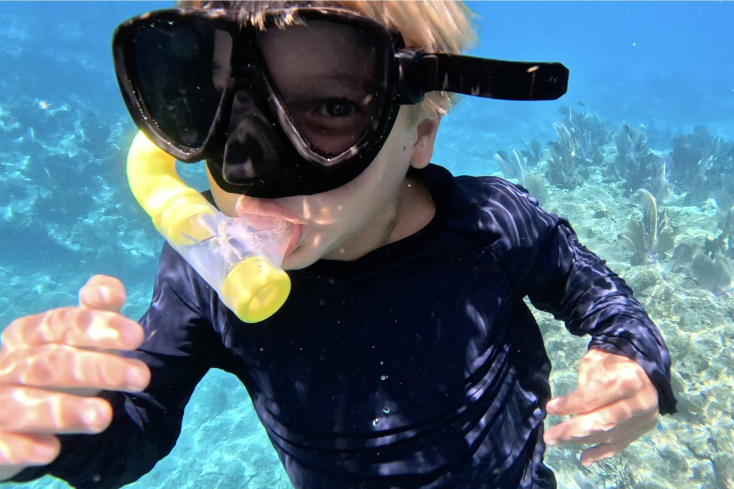
Snorkeling in Key West From Shore: A Local Guide to the Best Snorkeling Beach Spots
A local guide to the best beach snorkeling in Key West and the Florida Keys — where to go, when to go, and what you’ll actually see underwater.
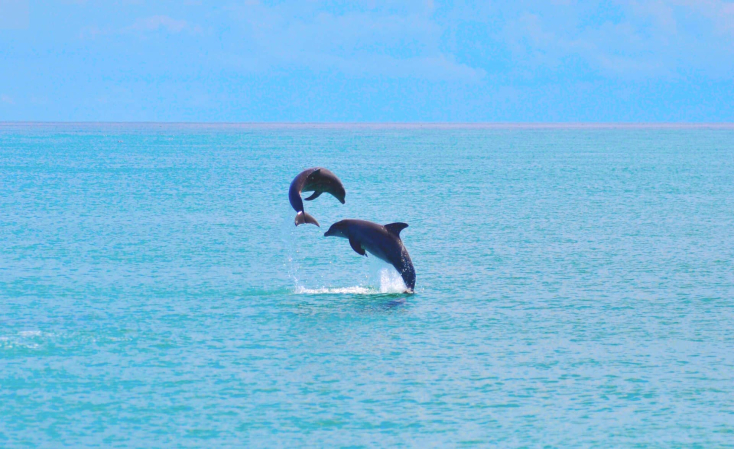
Best Time and Places to See Dolphins in Key West
Wondering where to see dolphins in Key West and the best time to spot them? Local, family-friendly tips on seasons, timing, and best places.
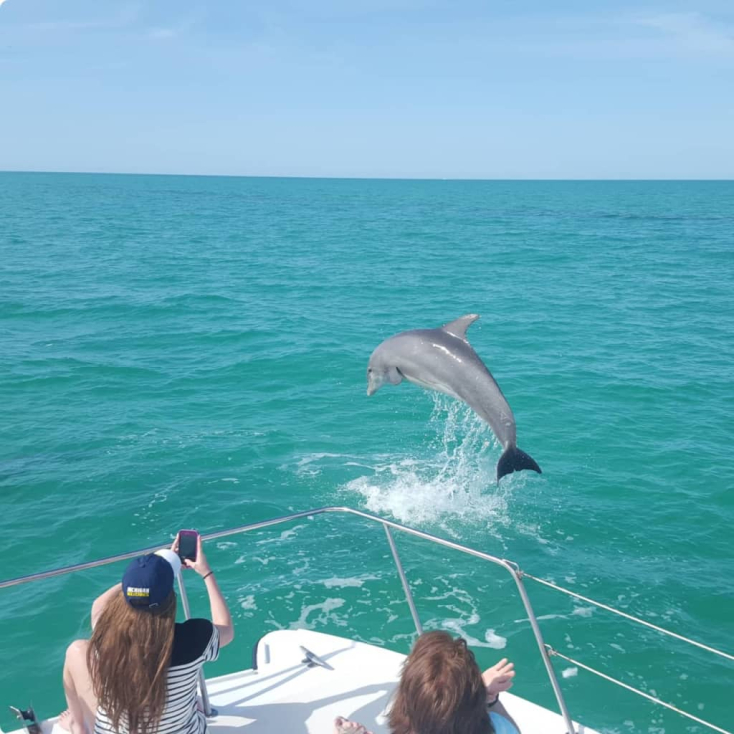
Florida Dolphin Species: Types of Dolphins You’ll See in Key West, Florida
The most common types of dolphins in Florida, which species you may see in Key West and the Florida Keys, where they live, and the truth about pink dolphins.
View Our Honest Eco Tours
Dolphin Watch + Guided Snorkel & Sandbar
The Original Dolphin Watch and Snorkel, since 1986! Offered year-round.
Dolphin Watch + Guided Snorkel & Sandbar
The original Key West Dolphin Watch and Snorkel, since 1986! Offered year-round.

Kayak tour + Guided Snorkel & Morning Sail
Kayak tour of the mangroves, plus a Guided Snorkel
Kayak tour + Guided Snorkel & Morning Sail
Kayak tour of the mangroves, plus a Guided Snorkel

Dolphin Watch + Sunset Catamaran Sail
Our most mellow tour. Search for dolphins under a setting sun. This tour does not feature snorkeling. Offered Nov - Apr.

Sandbar Charter + Private Snorkeling
Perfect for small friend groups and families. Book a Private charter aboard our 6 passenger maximum boat Cowfish.

Private Charters: Choose your own Adventure!
Prices vary by tour, boat and group size. Book online or customize.

All The Above
Private group Tour: Kayak tour of the mangroves, guided snorkel, sail, enjoy an organic lunch and search for dolphins

Sunset Catamaran Sail + Reef Snorkel & Sandbar
This Reef Snorkel and Sandbar visit takes advantage of the warm calm weather.