
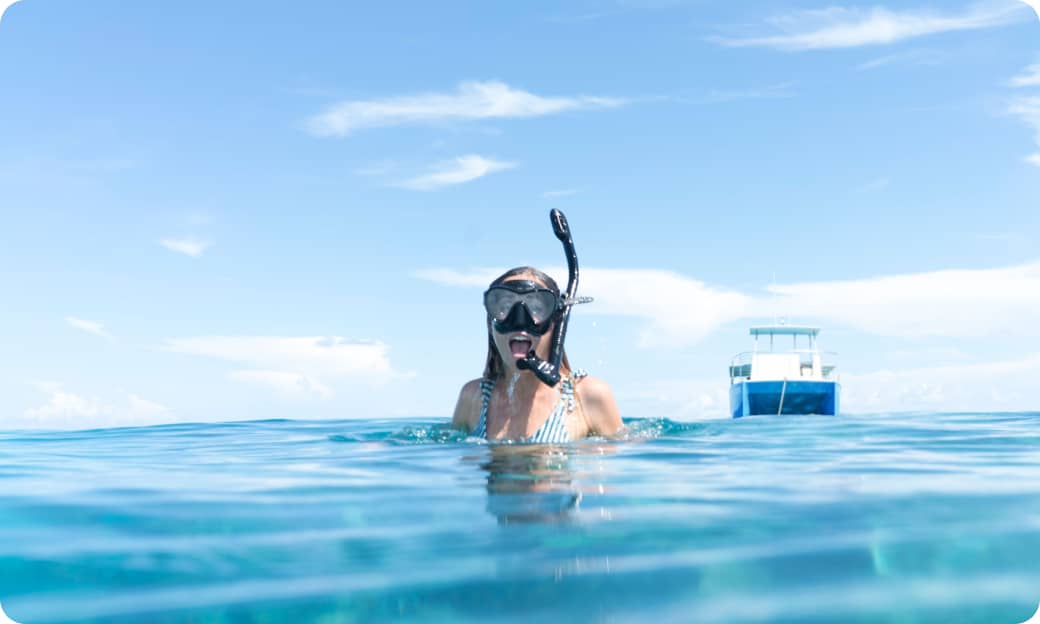
Key West Water Temperature by Month (And When You’ll Want a Wetsuit)

Every winter the phone starts ringing with the same question. How cold is the water, and am I going to freeze on your snorkel trip? It is a fair thing to ask, and the honest answer is more interesting than “it’s warm all year,” which is what most of the internet will tell you. The water here really is warm by almost any standard. Whether you feel warm in it on a given morning is a different question, and that depends on the month, the wind, and you.
I pulled three years of hourly readings from NOAA’s tide station in the Key West harbor and averaged them by month so you can see the real numbers instead of a guess. Then I added what those numbers feel like from the boat, because I have watched a lot of people climb back up the ladder over the years.
Key West Water Temperature by Month at a Glance
| Month | Typical range | Average | From the boat |
|---|---|---|---|
| January | 68 to 76°F | 72°F | Our coolest water. Lovely on a calm day, chilly in a north wind. |
| February | 70 to 78°F | 75°F | Still cool, but the fronts space out and the clear days are glorious. |
| March | 75 to 81°F | 78°F | The turn. Most people are comfortable in a swimsuit by mid-month. |
| April | 77 to 83°F | 80°F | Settled weather, warm water, long visibility. Hard to beat. |
| May | 82 to 89°F | 85°F | Summer arrives in the water before it arrives on the calendar. |
| June | 85 to 89°F | 87°F | Bathwater. Afternoon storms start their routine. |
| July | 88 to 91°F | 89°F | Our warmest readings. Mornings are the move. |
| August | 87 to 92°F | 89°F | Same as July, with more humidity on deck. |
| September | 86 to 90°F | 88°F | Warm and quiet. Peak hurricane season, so watch the forecast. |
| October | 79 to 87°F | 83°F | The first cooling. Water still feels like summer. |
| November | 75 to 80°F | 78°F | Comfortable for nearly everyone. Dolphin Watch and Sunset Sail season opens. |
| December | 71 to 78°F | 74°F | Cooling fast after the first fronts. A wetsuit starts to earn its keep. |
The typical range is where the readings sit most of the time. The lows and highs outside it happen a few days a year, usually right after a cold front in winter or during a flat, windless stretch in late summer. The station sits in the harbor, so the reef can run a degree or two either side of these numbers, and a shallow sandbar on a sunny afternoon can run warmer than both.
Why Snorkelers Feel Colder Than the Water Temperature Says
Here is the part the temperature charts leave out. Water takes heat out of you faster than air does, and the National Weather Service notes that the gasp reflex on entry can be triggered by water as warm as 77°F. So 74°F water feels nothing like a 74°F afternoon. Then you climb the ladder, the wind hits your wet skin, and evaporation does the rest. On a breezy January morning the air can be the thing that gets you, not the water.
Time matters too. Ten minutes at the reef is fine for almost anyone. Forty minutes of floating still, watching a parrotfish work on a coral head, is when the cold creeps in. Kids lose heat faster than adults, and so do slim people. I notice it most in the guests who are having the best time, because they are the ones who refuse to get out.
The flip side is that the same 74°F water on a still, sunny February afternoon is wonderful, and the visibility after a front clears is often the best of the year. Winter snorkeling here is not a compromise. You just want to dress for it.
What to Wear in the Water at Each Temperature
This is how I would dress for snorkeling, not diving. Divers go deeper and stay longer, so their charts run a size warmer than what a snorkeler needs.
Above 84°F, which is most of May through October, a swimsuit is all you need, and a long-sleeve sun shirt is more about sunburn than warmth. Between 78 and 84°F, roughly April and November, a rash guard or a thin sun shirt takes the edge off the wind when you surface. Between 74 and 78°F, which covers December, February, and March on an average day, a shorty wetsuit makes a real difference, and anyone who gets cold easily will be glad of a full 3mm suit. Below 74°F, which is January and the colder days of December and February, a full 3mm suit is my recommendation for anyone planning to stay in for a while.
If you are not sure which group you fall into, go a step warmer. Nobody has ever complained to me about being too comfortable.
Do We Provide Wetsuits on Our Tours?
Yes, in the months that call for it. In the winter months we carry shortie wetsuits on board, and mask, snorkel, and fins are included on every one of our Key West snorkeling tours, so most people need to bring nothing but a swimsuit and a towel. If you run cold, or you are bringing kids who plan to stay in a long time, a full 3mm suit of your own is the warmest option, and a long-sleeve rash guard is the next best thing. We also keep flotation on board for anyone who wants it, which lets you float and watch instead of treading water, and that alone keeps you warmer.
Whatever you wear in the water, bring warm clothes for the boat. What is warm on land can feel much colder at sea, and the ride home is where the wind finds you. A fleece and a windbreaker in January will do more for you than any wetsuit. If you are done early, there is no shame in climbing out, wrapping up, and watching the rest of the group from the deck.
Season by Season: What the Water Feels Like
Winter (December to February): Cooler, Clearer, Still Swimmable
Water from about 71 to 78°F, with the coolest days in January. The pattern is a cold front every week or so that brings a day or two of north wind and choppy water, followed by several calm, clear days as it settles. We watch the forecast closely in these months and pick our spots around it. Can you swim in Key West in January or February? Yes, and plenty of people do. Just know that the first minute is a gasp, the next ten are fine, and a wetsuit turns a brave swim into a relaxed one.
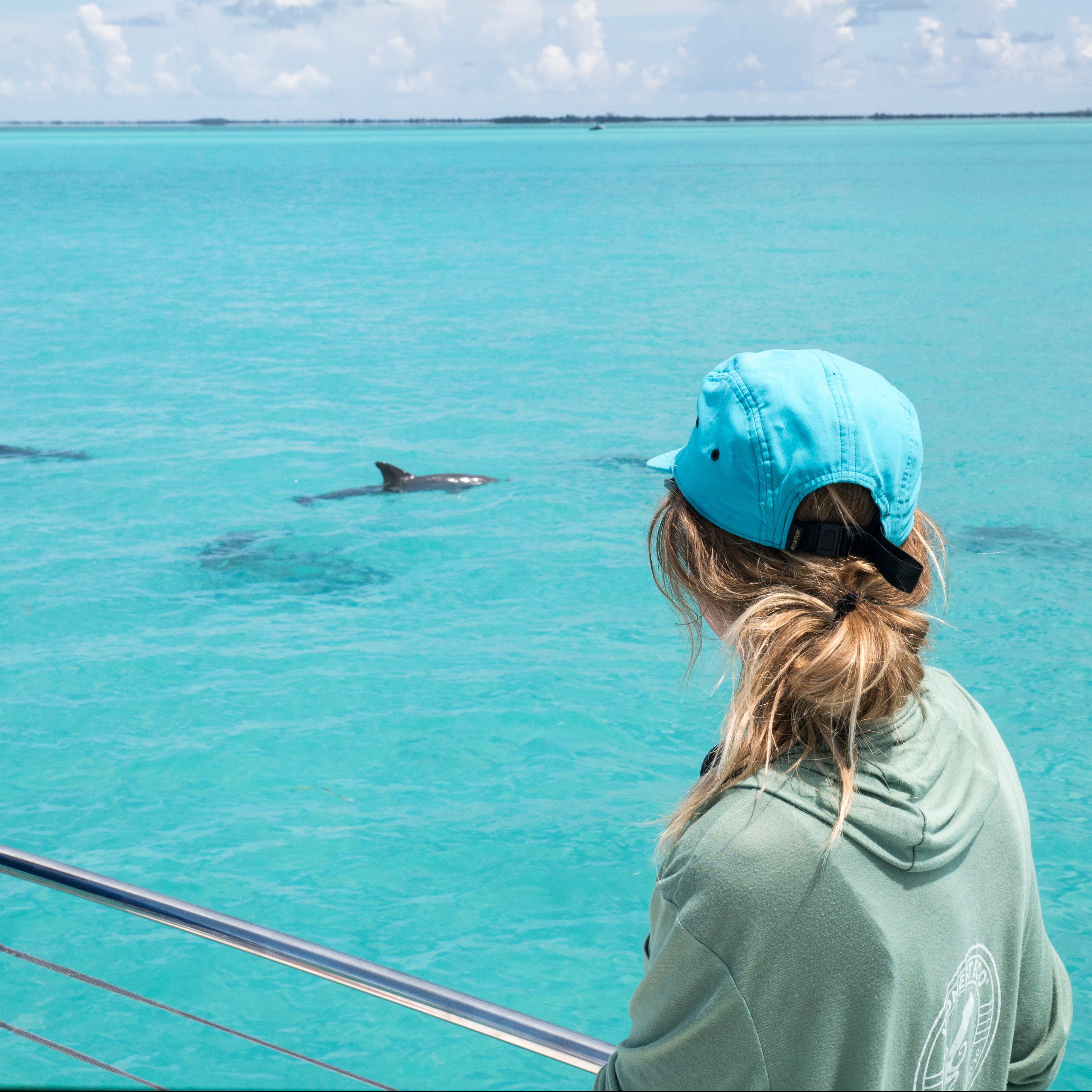
This is also the season for our Dolphin Watch and Sunset Sail, which runs November through April and keeps you dry if you would rather watch dolphins than get in with the fish. On the snorkel side, the fronts clear the water, and a calm day in February can be as clear as anything we see all year.
Spring (March to May): The Sweet Spot
Water climbs from the high 70s in early March to the mid 80s by late May. March still has a few fronts, but they weaken, and by April the weather settles into the long, flat, sunny days that make this my favorite time on the reef. Spring break brings the crowds to town in March, and the water empties out again in April and May while staying warm. If you are picking a month purely for comfort in the water, April is hard to argue with.
Summer (June to September): Bathwater and Afternoon Storms
Water in the high 80s, sometimes over 90°F by late afternoon in July and August. Nobody needs a wetsuit, and a sun shirt is about sunburn, not warmth. The daily routine is a glassy morning, heat building through the middle of the day, and a brief thunderstorm somewhere in the afternoon. We run early for a reason.
Summer is also sargassum season in Key West, when drifting seaweed can pile up on some beaches and shorelines. It rarely changes where we go, because the boat gives us options the beach does not, but it is worth understanding before you come. September is the quietest month on the water and the peak of hurricane season, so check the forecast before you book flights.
Fall (October and November): Warm Water, Thinner Crowds
October water is still in the low to mid 80s, and November settles into the high 70s. The storms taper off, the humidity breaks, and the crowds are thin until the holidays. For a lot of our regulars this is the best-kept secret on the calendar, with summer water and winter weather on deck. Late November is usually when the first real front arrives and reminds everyone what December is going to feel like.
Why Key West Ocean Temperature Stays Warm All Year
Two things keep our winter water in the 70s when the rest of the country is scraping ice. The first is the Gulf Stream, the warm current that runs north along the Florida coast, and its run starts right past the Keys. The second is geography. Key West is the southern end of the Florida Keys, surrounded by shallow water that warms quickly under a winter sun. From November through January, Key West usually runs about a degree warmer than Marathon up the chain. The rest of the year the two are within a degree of each other, and in midsummer Marathon actually runs a touch warmer.
Depth matters as much as latitude. The reef sits in deeper water and tracks the open ocean. The flats and sandbars sit in a few feet of water and track the sun, so they warm up by early afternoon in winter and can get genuinely hot on a windless August day. That is why a sandbar stop on one of our Key West sandbar tours in the cool season is often the warmest water you will be in all day.
Checking Today’s Key West Water Temperature Before Your Trip
The averages tell you what to pack. The live number tells you what today feels like. NOAA’s Key West station reports water temperature around the clock, and that is the reading I check on winter mornings along with the wind forecast. If a front came through overnight, the water will have dropped a couple of degrees and the wind will be the bigger problem. If it has been calm for three days, the water will be warmer than the monthly average and the visibility will be up.
That morning check is also how we decide where to take the boat. Water temperature is fairly even across our spots, but wind and clarity are not, and on a cool day we would rather snorkel a protected spot in clean water than fight chop at the reef. Which spot wins on a given day is a longer story, and we cover it in our guide to the best places to snorkel in Key West.
Key West Water Temperature Questions Guests Ask Us
Can You Swim in Key West in January or February?
Yes. Average water temperature is 72°F in January and 75°F in February. The catch is the wind. On a calm day it is a treat. On a front day it is a quick swim and a towel. A shorty or full wetsuit fixes most of it.
Is the Florida Keys Water Temperature the Same as Key West?
Close, with a tilt in early winter. The whole chain runs warm, but from November through January Key West usually comes in about a degree warmer than Marathon, sitting at the southern end nearest the Gulf Stream. In summer the whole chain is bathwater and the difference disappears.
Which Month Has the Best Water for Snorkeling?
For warmth alone, May through October. For the combination of warm water, calm seas, and clear visibility, April and May, with October and early November close behind. Winter can match any of them for clarity on the right day, which is why we never write it off.
Do Kids Get Cold Faster in the Water?
Yes, noticeably. Smaller bodies lose heat faster, and kids are the last to admit it because they are having too much fun. From December through March, on our guided snorkel trip for beginners and every other trip, we put the kids in a shortie from the boat, or a full suit if you brought one, and the crew keeps an eye out for blue lips and chattering teeth as the signal that it is time for a towel and a snack on deck.
If you are still not sure which month to pick, call us. We will tell you what the water is doing that week and which of our Key West eco boat tours fits it.
We Think You'd Love This Eco Friendly Tour

Recent Posts
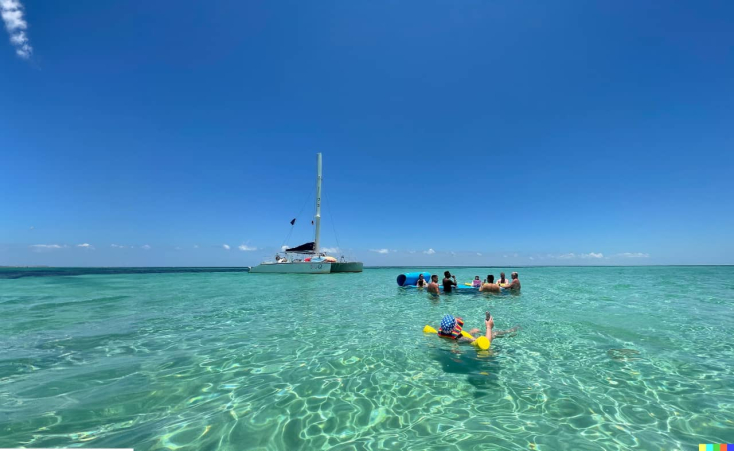
Sargassum in Key West: What Actually Happens Each Summer, and What It Means for Your Trip
Sargassum in Key West, explained by a biologist captain: when seaweed season runs, which beaches get it, what lives in it, and how we find clear water.
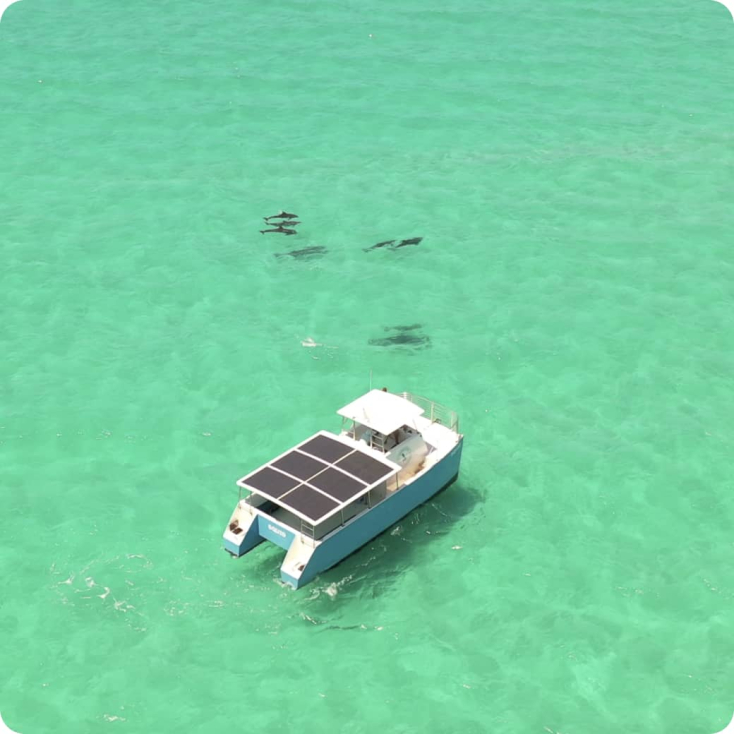
The Dolphin Playground: Key West’s Wild Dolphin Gathering Spot
The Dolphin Playground is where Key West’s wild dolphins rest, hunt, and play. A biologist explains why they gather there — and how to visit responsibly.
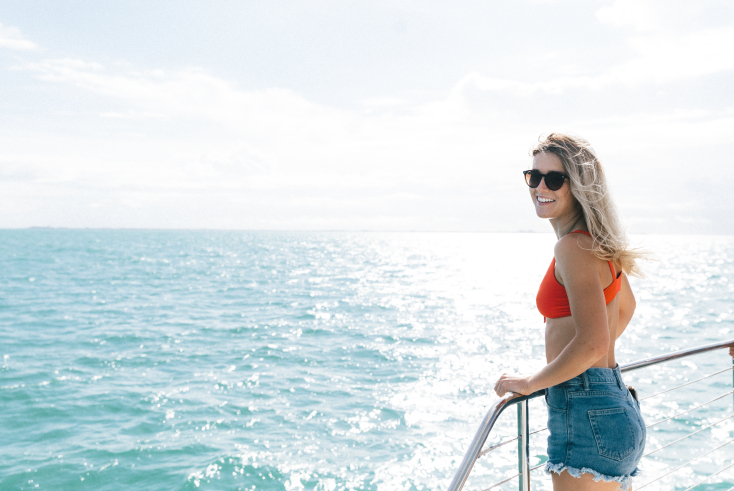
Key West in July: Weather, Events, and the Best Things to Do
Visiting Key West in July? An honest local guide to the weather, the 4th of July, festivals, and the best things to do on and off the water.
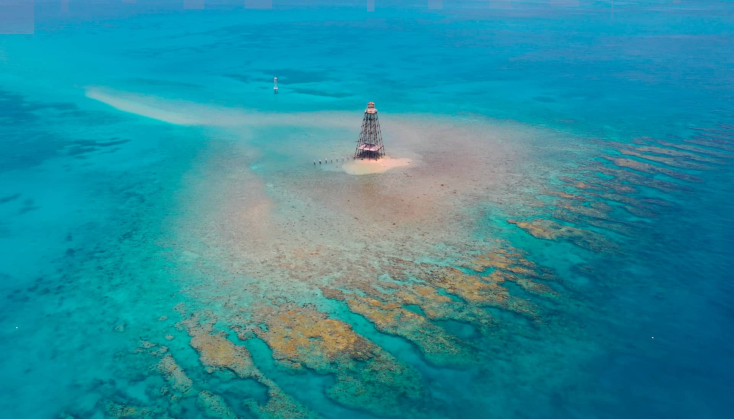
Things to Do on the Way to Key West: The Best Stops Along the Overseas Highway
Driving to Key West? Here are the best stops along the Overseas Highway — from John Pennekamp to Bahia Honda — by a Key West eco-tour crew.
Snorkeling in Key West From Shore: A Local Guide to the Best Snorkeling Beach Spots
A local guide to the best beach snorkeling in Key West and the Florida Keys — where to go, when to go, and what you’ll actually see underwater.
Best Time and Places to See Dolphins in Key West
Wondering where to see dolphins in Key West and the best time to spot them? Local, family-friendly tips on seasons, timing, and best places.
View Our Honest Eco Tours
Dolphin Watch + Guided Snorkel
The Original Dolphin Watch and Snorkel, since 1986! Offered year-round.
Dolphin Watch + Guided Snorkel
The original Key West Dolphin Watch and Snorkel, since 1986! Offered year-round.

Kayak tour + Guided Snorkel & Morning Sail
Kayak tour of the mangroves, plus a Guided Snorkel
Kayak tour + Guided Snorkel & Morning Sail
Kayak tour of the mangroves, plus a Guided Snorkel

Dolphin Watch + Sunset Catamaran Sail
Our most mellow tour. Search for dolphins under a setting sun. This tour does not feature snorkeling. Offered Nov - Apr.

Sandbar Charter + Private Snorkeling
Perfect for small friend groups and families. Book a Private charter aboard our 6 passenger maximum boat Cowfish.

Private Charters: Choose your own Adventure!
Prices vary by tour, boat and group size. Book online or customize.

All The Above
Private group Tour: Kayak tour of the mangroves, guided snorkel, sail, enjoy an organic lunch and search for dolphins

Sunset Catamaran Sail + Reef Snorkel & Sandbar
This Reef Snorkel and Sandbar visit takes advantage of the warm calm weather.